Understanding Shipping Container Hire and Transport

Whenever you deliver heavy containers, you need a transport service that can handle the load. This is why you should hire a reputable shipping container hire and transport service. However, you should understand what shipping and transporting containers means before you work with any container transport company. Take a look at this.
How does container transport work?
As the name suggests, shipping container transport is transporting goods by rail or sea through heavy shipping containers. Container transport services are a critical component of the globalised economy, facilitating the efficient movement of goods across vast distances. This shipping method has revolutionised the transportation industry, offering a standardised and versatile solution for moving a wide range of products.
Here is everything you need to know about container transport.
Container Types and Sizes
Containers come in various sizes and types, each designed to accommodate different types of cargo. The most common container sizes include 20-foot and 40-foot containers, referred to as TEUs (twenty-foot equivalent units) and FEUs (forty-foot equivalent units).
Specialised containers, such as refrigerated containers for perishable goods and flat-rack containers for oversized items, cater to specific cargo requirements. The standardised dimensions enable seamless transfer between various modes of transportation, fostering interoperability in the global supply chain.
Intermodal Transportation
One of the defining features of container transport is its intermodal nature. Containers can seamlessly transition between different modes of transportation, such as ships, trucks, and trains, without the need to unload and reload the cargo.
This intermodal capability significantly reduces transit times and costs, making container transport a highly efficient and economical choice for international trade.
Port Operations
Ports are crucial in container transport, serving as key hubs for loading and unloading cargo. Modern container terminals have advanced infrastructure, including gantry cranes, automated stacking systems, and sophisticated tracking technologies. These features ensure the swift and organised movement of containers between ships and other modes of transportation. Efficient port operations are essential for minimising delays and maximising the throughput of goods in the global supply chain.
Global Shipping Routes
Container transport has enabled the development of extensive global shipping networks. Major shipping routes connect key ports around the world, forming the backbone of international trade.
These routes are strategically chosen to optimise transit times and connect major manufacturing centres with consumer markets. The ability to move goods efficiently across oceans has contributed to the globalisation of industries and the integration of economies on a global scale.
Logistics and Supply Chain Management
Containerisation has revolutionised logistics and supply chain management. The standardisation of containers has simplified inventory management, reduced handling costs, and improved the overall efficiency of transportation networks. Supply chain stakeholders, including manufacturers, distributors, and retailers, benefit from the predictable and reliable movement of goods enabled by container transport.
Challenges and Innovations
While container transport has transformed the global economy, it has challenges. Issues like port congestion, environmental concerns, and security risks require continuous attention and innovation. The industry is responding with technological advancements, such as blockchain for improved supply chain transparency, automation in port operations, and the development of ecofriendly container ships to address environmental impacts.
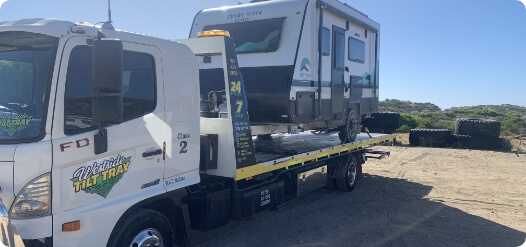
Container Transport Using Tilt Tray Truck
Tilt tray transport is a crucial aspect of modern shipping container hire and transport. It is pivotal in efficiently moving goods across vast distances for many industries. This service involves using specialised vehicles equipped to load and unload containers easily. Get to know the benefits of tilt tray container transport here.
Loading Process
The tilt tray transport process commences with containers loading onto the specialised vehicle’s flatbed tray. These containers vary in size and type, encompassing standard 20-foot and 40-foot shipping and specialised containers for specific cargo types. The tray tilting mechanism facilitates a straightforward loading process, eliminating the need for additional equipment like cranes or forklifts.
Flexibility
One of the primary benefits of tilt tray transport is its flexibility. The tilting mechanism allows the tray to lower to the ground, simplifying the loading and unloading of containers in locations without dedicated loading docks.
This flexibility is particularly valuable when traditional loading and unloading methods, such as construction sites, remote areas, or places with limited infrastructure, might be impractical or unavailable.
Versatility
The thing about tilt tray trucks is that they can carry more than just shipping containers; they can carry all kinds of heavy loads. These vehicles can transport heavy machinery, equipment, and oversized items. This makes it a dynamic solution for businesses across different industries, addressing diverse transportation needs.
Speed and Turnaround Time
Speed is a crucial advantage of tilt tray transport. The efficient loading and unloading process and the ability to navigate diverse terrains and locations contribute to faster turnaround times. This is particularly crucial in industries where timely delivery of goods is essential.
Tilt tray transport services are often employed for time-sensitive projects, emergency deliveries, or situations where minimising downtime is a priority.
Efficiency and Cost Reduction
Efficiency is further enhanced by eliminating the need for additional equipment and manual labour during the loading and unloading. This reduces costs and minimises the risk of errors and delays associated with coordinating multiple pieces of machinery or personnel. The streamlined operations contribute to a more efficient and cost-effective transportation solution.
Safety Measures and Controlled Operations
Safety is paramount in transporting goods, and tilt tray transport addresses this concern through its design and operation. The controlled tilting of the tray ensures a gradual and secure process for loading and unloading, minimising the risk of damage to the cargo. Additionally, the driver’s visibility and control over the entire process enhance safety for the shipment and surrounding infrastructure.
Reliable Tilt Tray Container Transport
Shipping container hire and transport using tilt tray transport services represent a dynamic and versatile solution for moving goods. As the demands of modern logistics continue to evolve, tilt tray transport is likely to play an increasingly significant role in shaping the future of container transportation.
So, if you are looking for a reliable team for container transport, the one to trust is Westside
Tilt Tray. Get to know more about what we do here.
TESTIMONIALS
Our Clients Love Us